Blue Leaf Pattern Embroidery Design Review: A Designer’s Real-World Perspective
First Impressions: Fresh, Balanced, and Versatile
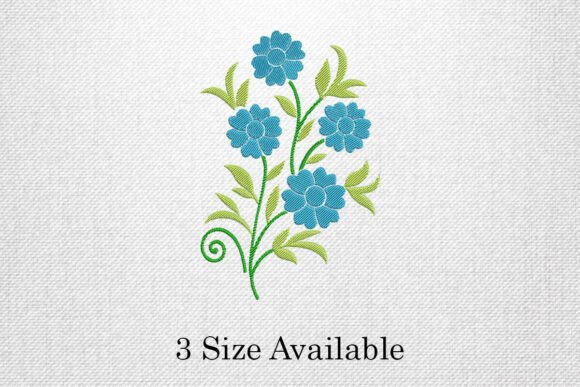
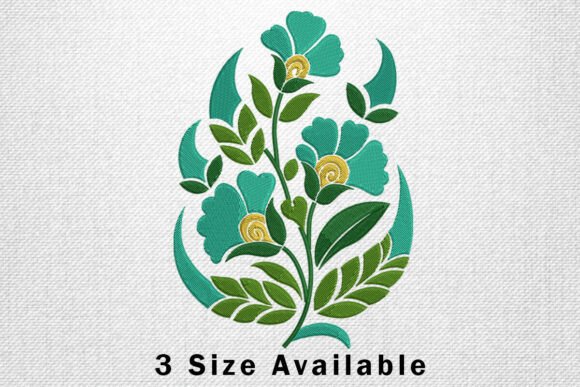
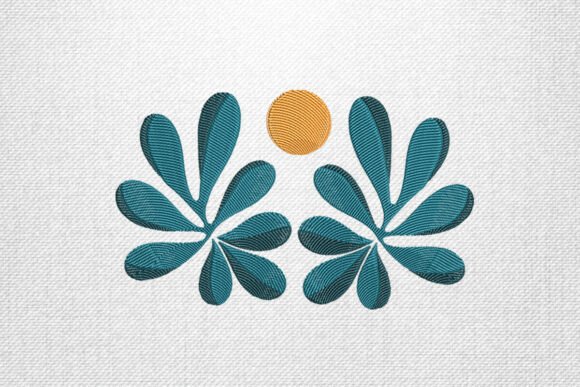
When I first opened the Blue Leaf Pattern Embroidery Design file, I was struck by the symmetry and organic flow of the two leaf motifs. The golden sun accent adds a subtle warmth that keeps the design from feeling too rigid or minimalist. It's clearly aimed at a nature-inspired aesthetic, but with a stylized touch that makes it suitable for both modern and traditional projects.
The layout feels intentionally balanced—neither too dense nor too sparse. The design has a calming, organic mood that would work well in handmade baby items, nursery decor, or boutique tote bags. It’s not overly complex, which makes it a solid choice for small to mid-sized hoop embroidery machines.
Real-World Use: Where This Design Shines
I tested the Blue Leaf Pattern Embroidery Design on a few different fabric types and product formats to get a sense of its flexibility. Here’s how it performed:
- Tote Bags: Looks clean and elegant on natural canvas and linen. The symmetrical layout works well centered on the front panel, giving the bag a boutique-ready finish.
- Pillow Covers: The design scaled nicely to fit a 12x12 pillow. The golden sun accent adds just enough visual interest without overwhelming the fabric.
- Sweatshirts: On a medium-weight cotton hoodie, the embroidery held up well after a test wash. The satin and fill stitches maintained their shape and clarity.
- Baby Clothes: Tried it on a onesie and it came out beautifully. The gentle curves and soft color palette make it appropriate for gender-neutral baby items.
- Custom Patches: Worked well when embroidered on twill and cut into a patch shape. The lines are crisp and readable even at reduced sizes.
Overall, the design translates well into a variety of commercial and personal use cases. It’s especially suited for crafters and Etsy sellers looking for a design that’s easy to integrate into multiple product lines without repeating the same look.
Where to Use It Carefully
Like any embroidery design, the Blue Leaf Pattern Embroidery Design has its limitations. Here are a few situations where I’d recommend extra caution:
- Small Hoop Sizes: If you're working with a 4x4 hoop or smaller, you may need to simplify or resize the design slightly to maintain clarity.
- Textured or Stretchy Fabrics: The satin stitch lines may pucker slightly on knits or loosely woven materials unless you use a proper stabilizer.
- Dark Fabric Backgrounds: The blue tones may not pop as much on black or navy fabric. Consider testing with thread color swaps or adding a light underlay.
- Curved Surfaces (like caps): The symmetrical layout might distort slightly if not properly hooped and stabilized on curved surfaces.
- Frequent Wash Items: While the stitch density is decent, I’d recommend using a quality tear-away or cut-away stabilizer to prevent distortion after multiple washes.
If you're planning to use this in a commercial embroidery setting, especially for personalized gifts or small shop merchandise, be sure to test it on your most common fabric types first.
Visual Appeal and Product Value
From a design perspective, the Blue Leaf Pattern Embroidery Design strikes a good balance between detail and clarity. It doesn’t have any overly intricate elements that might get lost in stitching, which makes it a reliable choice for both beginners and experienced embroiderers.
The symmetrical layout gives it a polished, intentional feel that enhances the perceived value of finished products. Whether you're selling embroidered pillows or custom baby bibs, this design adds a touch of sophistication without being too flashy.
For Etsy sellers and craft entrepreneurs, this kind of design can help maintain brand consistency across product lines. It’s versatile enough to work with seasonal color swaps and fabric changes, making it a good investment for year-round use.
Practical Designer Notes Before You Stitch
Before you start stitching the Blue Leaf Pattern Embroidery Design into your next project, here are a few practical tips I picked up during testing:
- Test on Scrap Fabric: Always test the design on a similar fabric type before embroidering your final product.
- Check Thread Color Contrast: The blue tones may vary depending on your thread brand. Consider doing a color mockup first.
- Review Stitch Density: Make sure the satin and fill stitches are evenly spaced and not too dense for your fabric type.
- Confirm Hoop Size: Know your machine’s hoop size limitations before resizing the design.
- Inspect Small Details: Check the golden sun accent to ensure it stitches cleanly without thread breaks or skipped stitches.
- Test in Black and White Mockups: Helps visualize how the design will look in other color palettes or monochrome themes.
- Compare Light and Dark Fabric: The design may need minor tweaks depending on the background.
- Use Proper Stabilizer: Especially important on stretchy or thin fabrics to prevent distortion.
- Check Licensing: If you're selling finished items or digital embroidery files, confirm the licensing terms for commercial use.
These small steps can save you time and material costs in the long run, especially if you're using the Blue Leaf Pattern Embroidery Design in a production setting or for custom client work.
Final Thoughts: A Dependable Design for Real Projects
The Blue Leaf Pattern Embroidery Design isn’t flashy, and that’s exactly what makes it valuable. It’s a clean, versatile design that works well across a range of products—from custom apparel to holiday gifts and boutique merchandise. It’s easy to stitch, scales well, and maintains its visual appeal across different fabric types.
For embroidery designers and small business owners, this kind of design offers practical flexibility. It’s a smart addition to your digital embroidery file collection, especially if you're looking for nature-inspired motifs that are easy to market and integrate into various product lines.