Kite Embroidery Design: A Professional Review
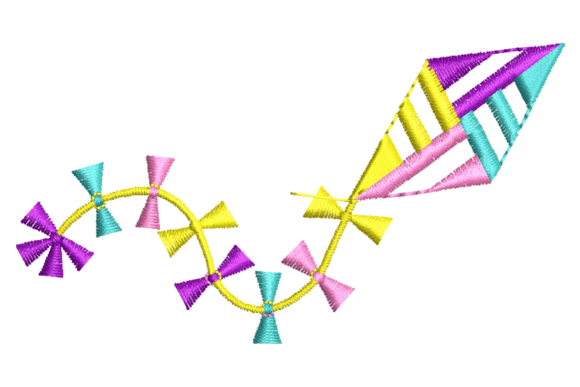
As an experienced embroidery designer specializing in commercial merchandise, I approach every new machine embroidery design with a critical eye toward production viability and brand alignment. When evaluating the Kite Embroidery Design for small business applications, my first impression is one of versatile nostalgia. While categorized under Toys, this design transcends simple playwear. It possesses a friendly, handcrafted aesthetic that feels premium yet accessible. For a boutique, bakery, or creative studio, this motif communicates joy and approachability without sacrificing professional polish. It strikes a delicate balance between playful and elegant, making it a strong candidate for businesses aiming to build a warm, welcoming brand identity.
Evaluating Commercial Viability for Small Business Merch
In the realm of small business merch, versatility is currency. The Kite Embroidery Design performs exceptionally well across various branded touchpoints because its silhouette is generally distinct and readable. For a local café or florist, this design works beautifully as a chest logo accent on staff uniforms. Unlike complex illustrations that turn into muddy blobs when scaled down, a kite’s geometric structure maintains integrity at smaller sizes. This makes it ideal for apron embroidery where space is limited by pockets or seams.
For retail-focused businesses, such as Etsy sellers or handmade brands, this design adds significant perceived value to custom apparel. I have found that customers respond positively to merchandise that evokes positive emotions. A tote bag featuring this design isn't just a utility item; it becomes a lifestyle accessory. As a tote bag design, the kite allows for ample negative space, which is crucial for keeping stitch counts reasonable and production costs low. Furthermore, for event merch or customer gifts, the universal appeal of a flying kite ensures the item remains desirable across different demographics, extending the lifespan of your promotional investment.
Strategic Placement and Production Considerations
While the Kite Embroidery Design is adaptable, specific applications require careful technical evaluation. As a designer, I must emphasize that not all placements are created equal. When considering cap embroidery, the curvature of the hat front can distort vertical elements. Since kites often feature long tails or strings, you must verify that the design has been digitized with cap-specific compensation or be prepared to modify the tail length to prevent registration issues on curved surfaces.
Embroidered patch production is another area requiring scrutiny. If you intend to use this as a standalone patch for uniforms or jackets, check the border definition. A kite design relies on clean lines; if the satin stitch border is too thin or the internal stitch density is too sparse, the patch may fray after repeated washing. Conversely, if the density is too high, the patch may become stiff and pucker on lightweight fabrics. Always inspect the spacing between the kite body and any decorative elements to ensure they do not merge when scaled to a 2-inch or 3-inch patch size.
Fabric texture also dictates success. On textured fabrics like canvas or denim, the design’s finer details—such as the string or small bows—may get lost. In these cases, I recommend increasing the column width or simplifying the outline. For dark uniforms, contrast is key. Ensure your thread colors provide sufficient visibility against the base fabric. A white kite on a navy apron reads clearly; a pastel kite on a grey shirt may look washed out and unprofessional. Always prioritize legibility over color matching when functionality is the goal.
Impact on Brand Perception and Customer Trust
The choice of embroidery assets directly influences how customers perceive your business. Using the Kite Embroidery Design signals that your brand values craftsmanship and warmth. In an era of mass-produced goods, a handmade product featuring thoughtful embroidery stands out. This design helps establish visual consistency across your product line. When customers see the same cheerful kite motif on your packaging, staff shirts, and carry-out bags, it reinforces recognition and builds trust.
Moreover, high-quality embroidery elevates the perceived value of your offerings. A plain cotton tote bag is a commodity; a tote bag with a professionally executed Kite Embroidery Design is a branded asset. This distinction allows for better margins and fosters buyer engagement. Customers are more likely to share photos of merchandise that looks intentional and artistic. By integrating this design into your commercial embroidery lineup, you are not just decorating fabric; you are curating an experience that resonates emotionally with your audience while maintaining a standard of excellence.
Essential Designer Notes for Pre-Production Testing
Before committing to a full production run, rigorous testing of the digital embroidery file is non-negotiable. Even the most beautiful design can fail if technical parameters are ignored. Follow this protocol to ensure the Kite Embroidery Design meets business standards:
- Verify Specifications: The product description highlights joy and suitability for kids' clothes and home décor, but it does not list exact stitch counts, formats, or licensing. You must confirm these details in the file metadata before purchase or production to ensure compatibility with your machines and legal clearance for commercial sale.
- Black and White Test: Run a test sew-out in black thread on white stabilizer first. This strips away color distraction and reveals the true structure, density, and registration of the design. Look for gaps, puckering, or uneven coverage.
- Hoop Size Confirmation: Ensure the design fits comfortably within your available hoop size with adequate margin for stabilization. Never hoop to the absolute maximum edge, as this causes tension issues.
- Stabilizer Selection: Match the stabilizer to your target fabric. Use cut-away for stretchy knits and tear-away for stable wovens. Test both to see which yields the crispest result for the kite’s outline.
- Create Printable Mockups: Before stitching on expensive inventory, create a printable mockup or digital overlay to show clients or stakeholders. This manages expectations regarding size and placement relative to other design assets.
- Wash Testing: If this is for uniforms or items requiring frequent laundering, wash the test sample three times. Inspect for thread shrinkage, bobbin show-through, or distortion. Adjust tension or density based on these results.
- Contextual Comparison: Place the finished test sample beside your existing branding materials. Does the kite style match your font choices and logo weight? Visual cohesion is essential for professional presentation.
By treating the Kite Embroidery Design as a strategic business tool rather than mere decoration, you unlock its full potential. Whether applied to a barista’s apron, a boutique’s signature tote, or a creative studio’s welcome gift, this design offers a unique blend of charm and professionalism. However, success lies in the details. Respect the technical requirements of embroidery, validate the file for your specific use case, and always prioritize quality control. When executed correctly, this design becomes more than a picture of a toy; it becomes a lasting symbol of your brand’s commitment to joy and quality.